
The Science Behind PEMF Therapy: A Path to Healing (PART 1)
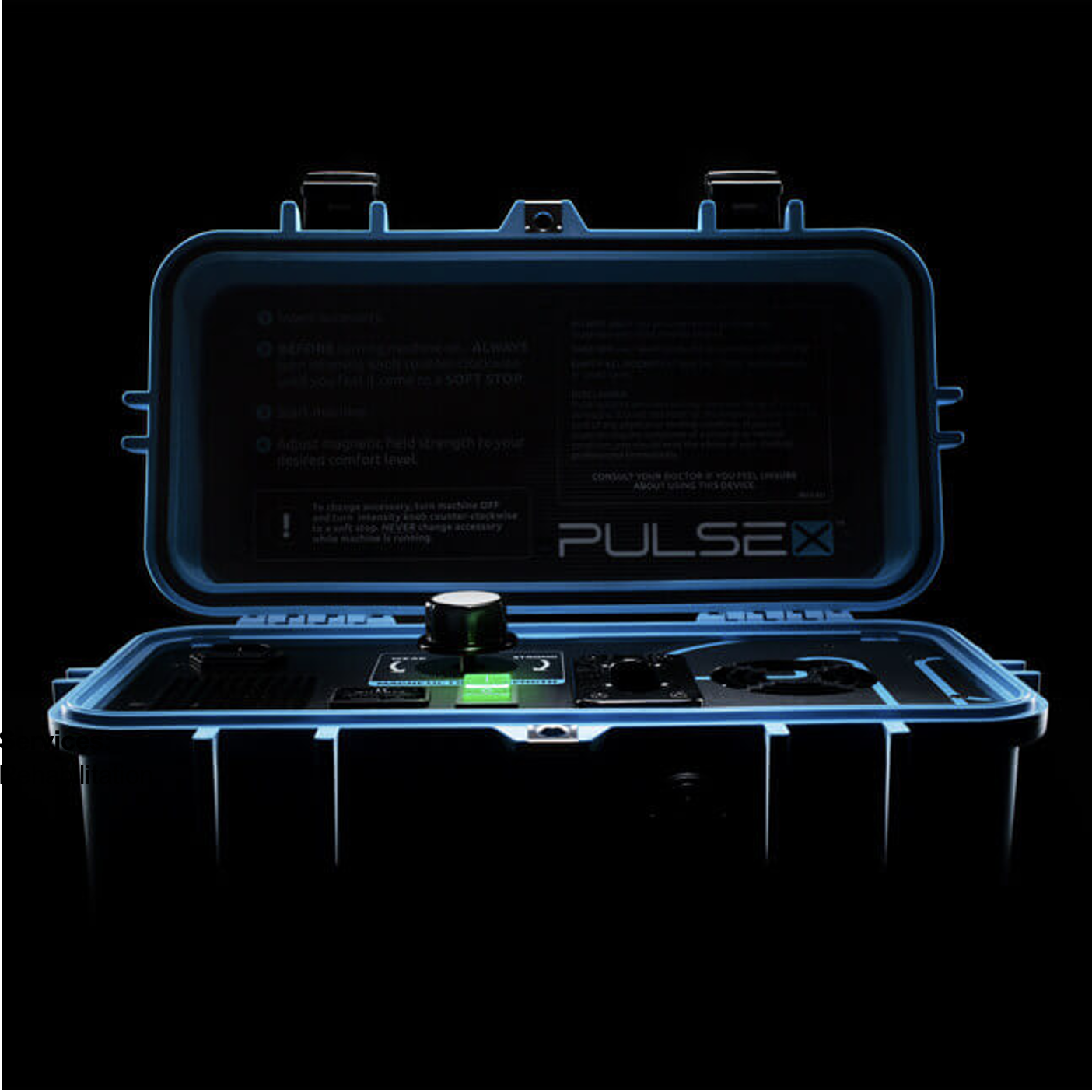
Pulsed Electromagnetic Field (PEMF) therapy is gaining recognition as a non-invasive approach to pain management and tissue healing. Rooted in the science of bioelectromagnetics, PEMF therapy utilizes electromagnetic fields to stimulate cellular activity, enhance circulation, and promote overall recovery. But does the research support these claims? Let’s take a look at the evidence.
How PEMF Therapy Works
PEMF therapy involves applying electromagnetic pulses to the body at specific frequencies. These pulses interact with cells, enhancing their ability to function and repair themselves. Studies suggest that exposure to these electromagnetic fields can improve blood flow, reduce inflammation, and accelerate tissue regeneration [1].
Evidence-Based Benefits of PEMF Therapy
Pain Relief and Inflammation Reduction
Research indicates that PEMF therapy is effective in reducing pain and inflammation. An overview of referenced literature demonstrates the magnitude of health benefits outlined in this table on the amazing benefits of PEMF therapy, with minimal side effects [2]. Additionally, a clinical trial on osteoarthritis patients revealed improved pain scores and functional mobility following consistent PEMF sessions [3].Accelerated Healing and Tissue Regeneration
PEMF has been shown to enhance cellular repair mechanisms. A study in Bioelectromagnetics demonstrated that PEMF exposure improved wound healing by increasing fibroblast proliferation and collagen synthesis [4]. Another study reported faster bone healing in fracture patients who received PEMF therapy compared to those who did not [5].Improved Circulation and Oxygenation
One of PEMF therapy’s key mechanisms is its ability to improve microcirculation. A study published in The Journal of Orthopaedic Research found that PEMF exposure increased blood flow to damaged tissues, enhancing oxygen supply and nutrient delivery [6]. These effects may contribute to the reduced recovery times observed in athletes using PEMF therapy for muscle injuries.Stem Cell Proliferation
PEMF has been shown to mobilize stem cells from the bone marrow and help guide these cells to the injured area in the body. This is amazing at promoting repair in a variety of areas and tissues from inside the body [7].
Who Can Benefit from PEMF Therapy?
PEMF therapy has been explored for various conditions, including:
Chronic pain disorders (arthritis, fibromyalgia, lower back pain)
Sports injuries (muscle strains, ligament sprains, fractures)
Post-surgical recovery (wound healing, tissue repair)
Neurological conditions (neuropathy, multiple sclerosis)
While PEMF therapy has shown promise, individual results may vary, and further high-quality research is needed to standardize treatment protocols.
Well-understood and referenced articles for indications of what PEMF can and has treated:
Bone healing
Neuroprotective effects after ischemic damage
Bone fractures
Osteoarthritis
Neurological Diseases
Pain management in arthritis
Acute fracture healing
Bone and cartilage injury
Joint degeneration (DDD/DJD)
Complex Regional Pain Syndrome
Pain and Edema
Osteoporosis
Osteopenia
Conclusion
The growing body of scientific literature suggests that PEMF therapy holds significant potential as a natural, non-invasive approach to healing. By enhancing cellular function, reducing inflammation, and improving circulation, it offers a promising alternative for individuals seeking pain relief and accelerated recovery.
